A reflector is simply a tool that reflects light onto the subject. Reflectors don’t create the light like a flash does, it redirects the natural or studio light, it sometimes redirects the light from a flash. The light from a reflector isn’t any brighter that what it is already, it’s best not to use them to light up night portraits unless I use a flash or other light recourse. E.g. studio lighting. The quality of the light will also match the quality of the light that’s in the scene. For example, when shooting at sunset, the light that bounces off the reflector will have the same orange hue.
Reflectors are supposed to fix shadowing. When shooting portraits outdoors during the day, a reflector can be used to fix shadows on the face, or even to prevent a backlit subject from becoming a silhouette. A reflector is used in a way as a replacement flash. When holding a reflector, I hold it at an angle this is so that it reflects the light the way I want it to. I watch the light change as I adjust the light, when I have found the angle that works the best for me.
When I hold the reflector directly opposite the light source, I will get the bright light. Depending on how much light there is in my shot I am still able to reflect the light from other angles and positions. there isn’t as much light been reflected. If the light is behind my subject, when using a reflector directly in front of the subject it will prevent the silhouette. When the light comes from the side, using a reflector on the opposite side will help prevent the shadows in my shot. When light has been blocked by large objects, when I place a reflector close to the object it helps the light from being blocked.
When laying the reflector on the ground in front of the subject when taking a portrait, it can help with the under-eye shadows. The distance of the reflector matters too. A large light source and a close light source creates the softest light. Placing the reflector closing to the subject if the light is too hard.
When taking my portraits the things I think of are:
- The pose of my subject.
- The direction of light- moving my subject to change the way the light hits them.
- The camera angle.
- How much of the frame my subject fills?
- Is my subject looking at or away from the camera?
- Compositions.
The different reflectors can change the different lights:
- When using a silver reflector it creates a much harder light on the face.
- The white reflector creates a softer, more natural light .
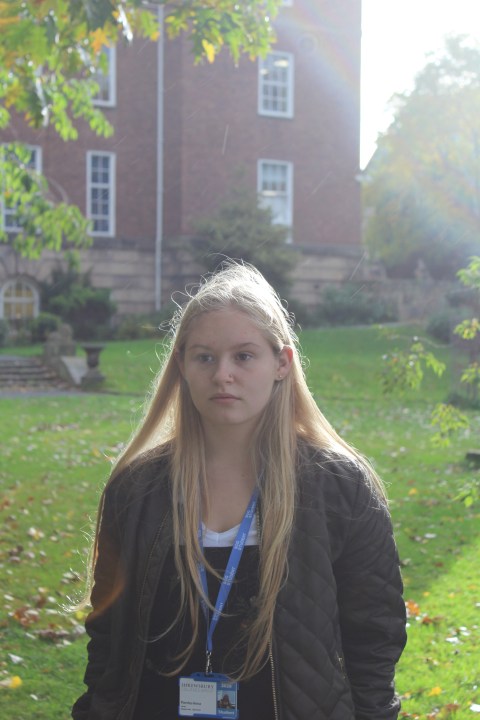
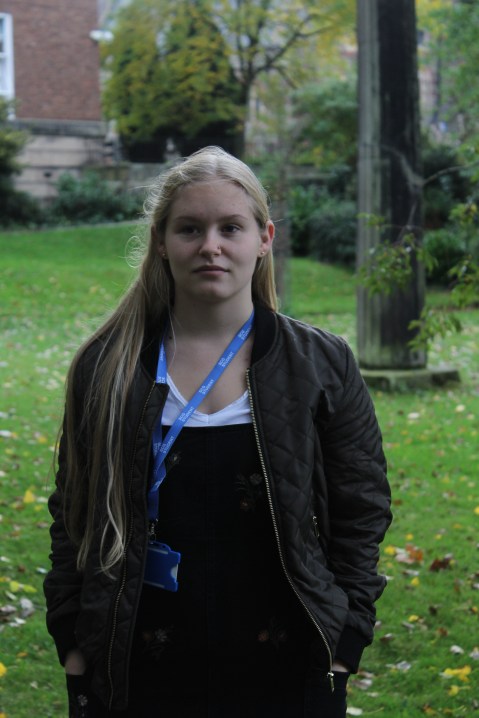
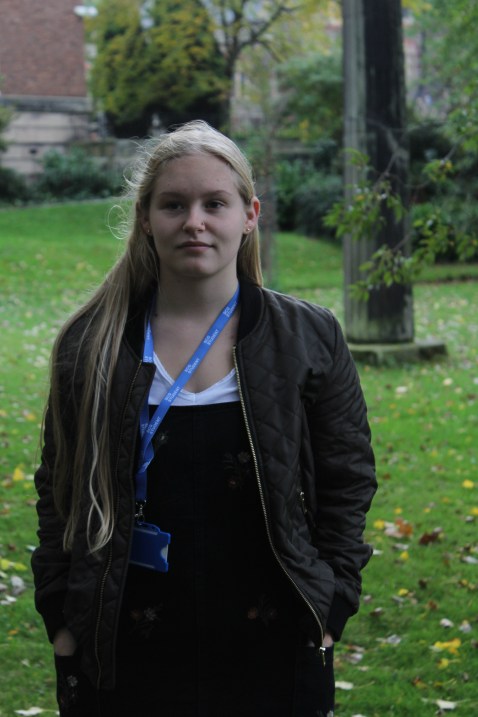
- In brighter sunlight I will place my subject in some shade or with their back to the sun and use a reflector to bounce the light back onto the face.
- When shooting in he direction of the sun I may need a lens hood to prevent sun glare.
 Level 3 Vocational Photography Meagan Jones